
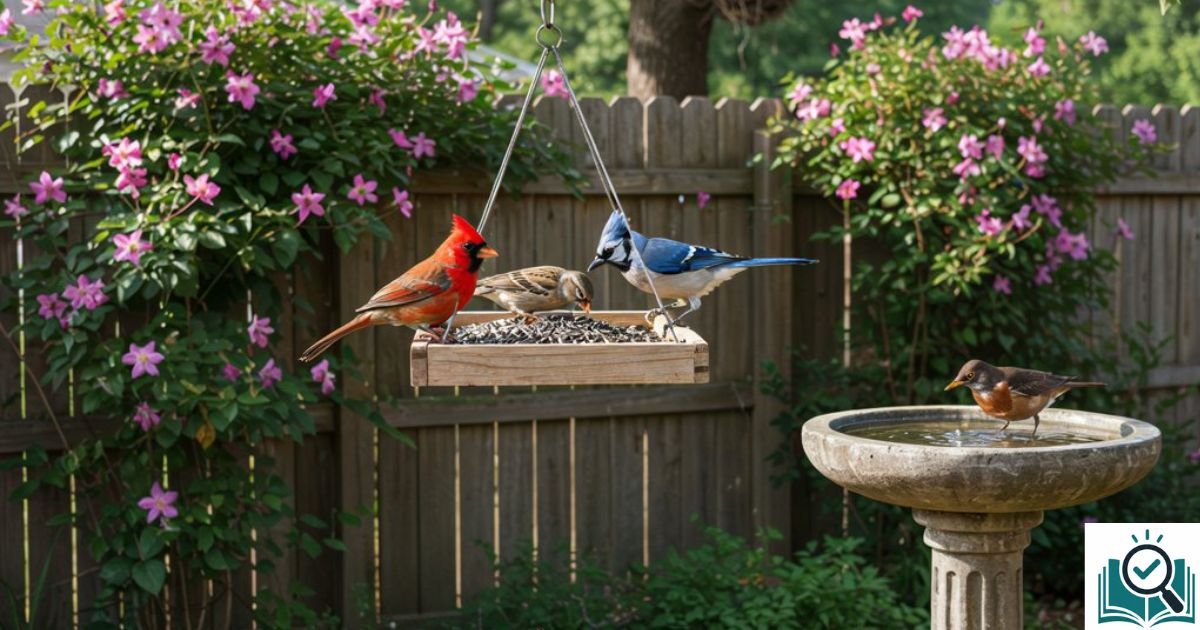
Have you ever dreamed of waking up to birdsong filling your garden at dawn? If you are looking for how to attract birds to your home, garden, balcony, yard or feeders, the answer is simple: you have to provide them with a reliable and consistent supply of food, water and safe shelter.
Place a clean and shallow birdbath that will provide fresh water for birds or small wildlife pond. Plant native flowering plants as well as seed or fruiting trees which will create abundant and consistent food supply. Provide the birds with nesting place and secure protection by planting dense evergreen shrubs and nest boxes which ultimately becomes a bird-friendly habitat.
When you provide the birds with food supply and shelter, you will attract birds to your garden, window, yard, home and feeders. Over time, you will notice more life around you – insects, butterflies and even squirrels – as your yard becomes a true oasis. The tips below (backed by experts) will help you meet all the essentials so birds can happily visit every season.
10 Proven Ways on How to Attract Birds Quickly
Add a quality feeder and seed.
A good feeder filled with sunflower seeds (a favorite) can bring birds faster than nothing. A single feeder and a bowl of water might draw finches and warblers in days. Filling feeders daily with seeds they love and keeping them visible invites birds immediately.
Offer fresh, clean water every day.
Water draws birds fast. Fresh water for birds is needed for drinking and bathing. A shallow birdbath or dripper fountain will attract even birds that rarely visit feeders. Change the water daily or every few days to keep it clean. This provides a reliable wildlife pond year-round, so thirsty birds know where to come.
Plant native trees, shrubs and flowers.
Native plants feed birds the wild foods they prefer. Native oaks, hickories or willows support caterpillars, while native shrubs like holly, spicebush or elderberry produce fruit. Perennial flowering plants like bee balm, coneflower or asters offer nectar and seeds. This biodiversity gives year-round food and cover, making your garden irresistibly attractive to birds.
Add berry-producing plants
Shrubs with berries act like natural bird feeders planted by nature. Plants such as serviceberry, chokecherry, dogwood or holly bear fruit at different times, feeding various species. Even evergreen shrubs like juniper offer berries or cover in winter. Birds (thrushes, waxwings, robins, etc.) quickly notice berry-rich shrubs and will return to feast.
Create thick vegetation for shelter.
Birds need cover to feel safe. Provide layers: tall canopy trees, mid-layer shrubs and low ground cover. Don’t be too tidy – let some leaf litter or fallen logs stay put. A brush pile or dead branch heap also gives insects, hiding places and roosting spots for birds. This layered garden gives birds places to forage and roost, so they spend more time nearby.
Provide safe nesting boxes.
Install nest boxes suited to local species (e.g., small-hole boxes for chickadees, open fronts for wrens). Mount them 5–15 feet up in a quiet, sheltered spot. Properly placed boxes give nesting sites and encourage birds to breed in your yard.
Leave some natural debris.
Don’t rake all leaves or branches. Leaf litter and a small brush pile are homes for insects and caterpillars, which feed insect-eating birds. Even a log or old tree stump can hide bugs. This step enhances the healthy garden ecosystem by supporting birds’ insect food.
Avoid pesticides and herbicides.
Chemicals kill the insects and larvae birds need. Use natural pest control: attract ladybugs and lacewings, use companion plants, or hand-pick pests. By going organic you preserve food for birds and create a safe environment. A pesticide-free yard with wildlife-friendly plants supports birds and pollinators.
Keep the bird feeders clean and full.
Dirty feeders can spread disease, so scrub them at least every two weeks. Always refill feeders so food never runs out completely; an empty feeder may teach birds that it’s unreliable. Consistent, year-round bird feeding builds trust – birds will learn your yard is a steady food source.
Make your garden quiet and safe.
Loud noises or sudden disturbances chase the birds away. Try to keep your feeding area calm and quiet. For window safety, place feeders within 3 ft or beyond 30 ft of glass. Always provide escape routes (perches or bushes) so birds can quickly flee predators and avoid being caught by them. By reducing noise and offering predator protection, your garden becomes a peaceful haven that birds will return occasionally.
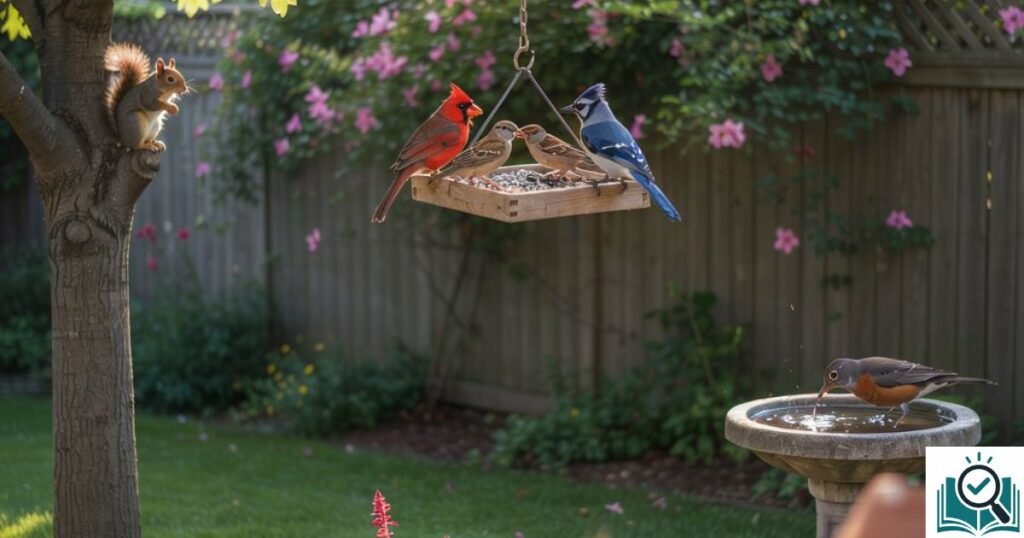
Best Foods to Attract Different Types of Birds
Learning how to attract birds starts with knowing the kind of food birds eat. Different birds prefer different treats. A variety of seed-producing plants and foods will draw diversity of birds:
| Food | Birds Attracted |
| Black-oil sunflower | Finches, cardinals, chickadees |
| Safflower seed | Finches, cardinals, orioles |
| Peanuts (shelled) | Jays, titmice, woodpeckers |
| Suet or suet cakes | Woodpeckers, nuthatches, wrens |
| Mealworms (live/dried) | Bluebirds, robins, insect-eaters |
| Fruit (berries, apples) | Orioles, mockingbirds, finches |
| Nectar (sugar water) | Hummingbirds, orioles, butterflies |
Sunflower seeds are an all-time favorite for many backyard birds, while suet (beef fat cakes) is used in winter to attract woodpeckers and nuthatches. Mealworms supply protein for insect-eating birds.
Seeds That Attract the Most Backyard Birds
Seeds are a universal favorite. Mix black-oil sunflower seeds, millet, and safflower in your feeder. Goldfinches and sparrows eat thistle (Nyjer). If squirrels are a problem, switch to safflower (they dislike it). Regularly offer plain seed mixes high in sunflower seeds — this keeps common garden birds coming back.
Fruits and Berries Birds Love
Offer fresh or dried berries and fruit. Slice apples or oranges on a platform feeder to attract orioles and woodpeckers. Berry-bearing shrubs (holly, elderberry, mulberry) also feed birds naturally. Fruit attracts birds that don’t visit seed feeders, adding to diversity.
Mealworms and High-Protein Foods
Live or dried mealworms (worm-like larvae) are a fast way to get birds eating at your feeder, especially in spring. Robins, bluebirds and flycatchers go crazy for them. You can also offer peanut butter, especially in winter.
Suet for Winter Bird Feeding
Suet (beef fat) provides essential fats in cold months. Hang suet cakes in a mesh feeder. This high-energy snack brings woodpeckers, chickadees and wrens, even in freezing weather. Keep it available November–March when insects are scarce.
Nectar for Hummingbirds
In warmer months, fill hummingbird feeders with 1 part sugar to 4 parts water (never use red dye). Clean feeders every 3–5 days. Plant red, tubular flowers (bee balm, columbine) near feeders to attract these tiny birds.
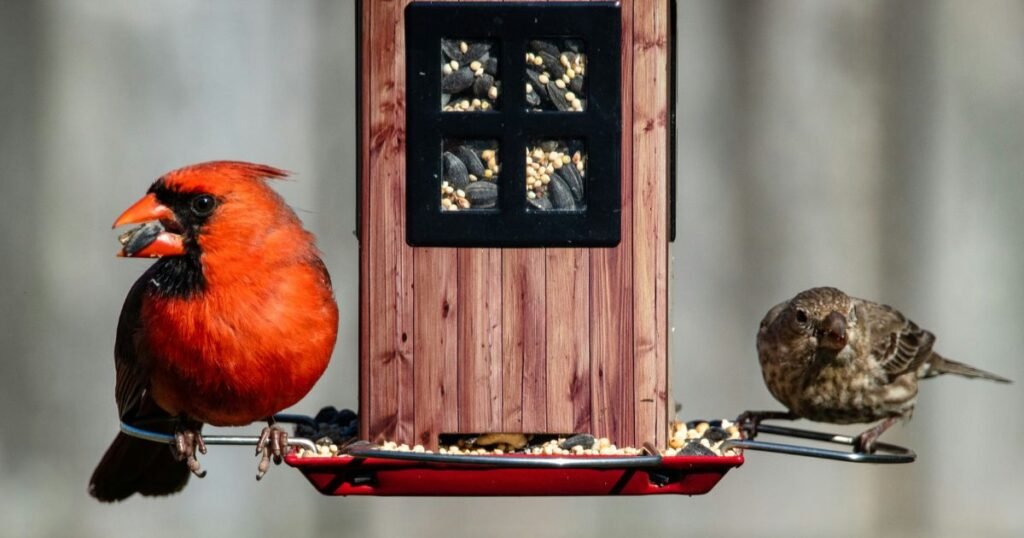
Foods You Should Never Feed Birds
Avoid bread, chips or salty/snacky foods. Bread has no real nutrition and molds quickly. Also avoid citrus in excess, onion/garlic scraps, or junk foods. These can harm birds and attract pests. Stick to natural, bird-specific foods.
Bird Food Comparison Table
| Food Type | When to Offer | Note |
| Black-oil sunflower | Year-round | High-fat seed; all-purpose favorite |
| Nyjer (thistle) | Fall–winter | Great for finches; use tube feeder |
| Mixed seed (no fillers) | Year-round | For sparrows, juncos, titmice |
| Peanuts | Fall–winter | High protein; avoid hot climates |
| Suet (beef fat cakes) | Winter | Feed woodpeckers; can spoil in summer |
| Fresh fruit | Spring–summer | Attract orioles, tanagers (use platform feeder) |
| Nectar (sugar water) | Late spring–fall | Clean often; only for hummingbirds and orioles |
Use this chart to plan what to put in your feeders each season. For example, in winter switch to suet and sunflower; in summer offer nectar and fruit as migration feeds.
Best Plants, Trees, and Flowers To Attract Birds
How to attract birds with plants? Having the right plants makes your yard more attractive to birds. Plant wildlife-friendly plants that provide natural food and shelter. Include layers: tall canopy trees, berry shrubs, and ground plants.
Best Native Trees for Birds
Native plants can make how to attract birds naturally much easier. Oaks, maples, birches and willows support countless caterpillars (bird food) and produce acorns or seeds. Cone-bearing trees (pines, cedars) give winter cover. Fruit trees (apple, serviceberry) yield berries that many birds eat.
Shrubs That Produce Bird-Friendly Berries
Plant evergreen shrubs like holly or yew for winter berries. Summer shrubs like spicebush, elderberry and viburnum feed birds with their fruit. Berry-rich shrubs provide food and cover in one.
Flowers That Provide Nectar and Seeds
Grow flowering plants to attract nectar-feeders and seed-eaters. Bee balm, columbine and cardinal flower feed hummingbirds. Sunflowers, coneflowers, asters and goldenrod produce large seed heads for finches, sparrows and goldfinches in late summer and fall.
Grasses and Ground Cover Birds Appreciate
Native grasses (like little bluestem, switchgrass) hold seed for sparrows and finches. Tall ornamental grasses offer winter structure. Groundcovers such as sedges and ivy also shelter insects.
Plants That Attract Insects Birds Feed On
Many songbirds eat insects, not seeds. Planting native flowers (milkweed, goldenrod) and maintaining leaf litter supports caterpillars and beetles. These natural food sources draw insect-eating birds (warblers, vireos).
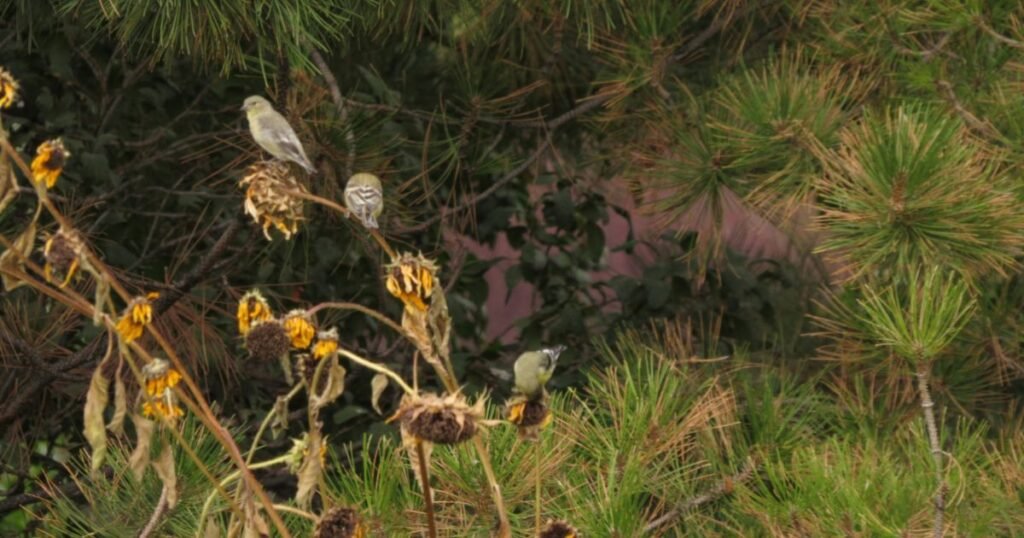
Why Birds Visit Certain Gardens
Each bird has basic needs. Gardens with reliable food, water and shelter naturally attract more visitors. Birds are drawn to places with seed-producing plants (like sunflowers or thistle) and flowering plants that provide them with nectar or insects. Berry bushes and fruit trees provide the birds with easy natural food sources. When these essentials are present, common garden birds will linger and thrive.
Birds tend to look for safety. Dense cover and hiding spots provide them with comfort and security. Trees, thick shrubs and even tall grasses create roosting spots and cover from predators. If you have cats or hawks around, provide quick escape routes for the birds to ensure their safety.
For example, keep feeders near branches so birds can quench their thirst and also look for possible danger. A quiet corner with layers of plants offers both comfort and predator protection, so birds feel secure visiting your garden.
The Four Basic Needs Every Bird Looks For
Every bird needs four things: food, water, shelter, and safety. Quality bird food (like sunflower seeds or mealworms) and a clean fresh water source are essential. Safe perches and nesting sites (trees, shrubs, and birdhouses) give them rest and raising spots. Cover such as bushes or a brush pile protects birds from cats or hawks. A garden that consistently supplies these essentials will quickly become a busy haven for birds of many kinds.
Why Native Plants Attract More Birds than Exotic Species
Native plants have evolved with local birds and insects, so they provide far more food and are able to fulfill the food requirements of bird. Studies show gardens with mostly native vegetation host four times more caterpillars and eight times more bird species than yards with exotic plants.
Native oaks, willows and cherry trees support caterpillars (prime baby bird food), while native shrubs like spicebush or serviceberry produce berries. These plants feed birds directly and also sustain insects that insect-eating birds rely on. In short, planting natives boosts biodiversity and attracts more backyard wildlife.
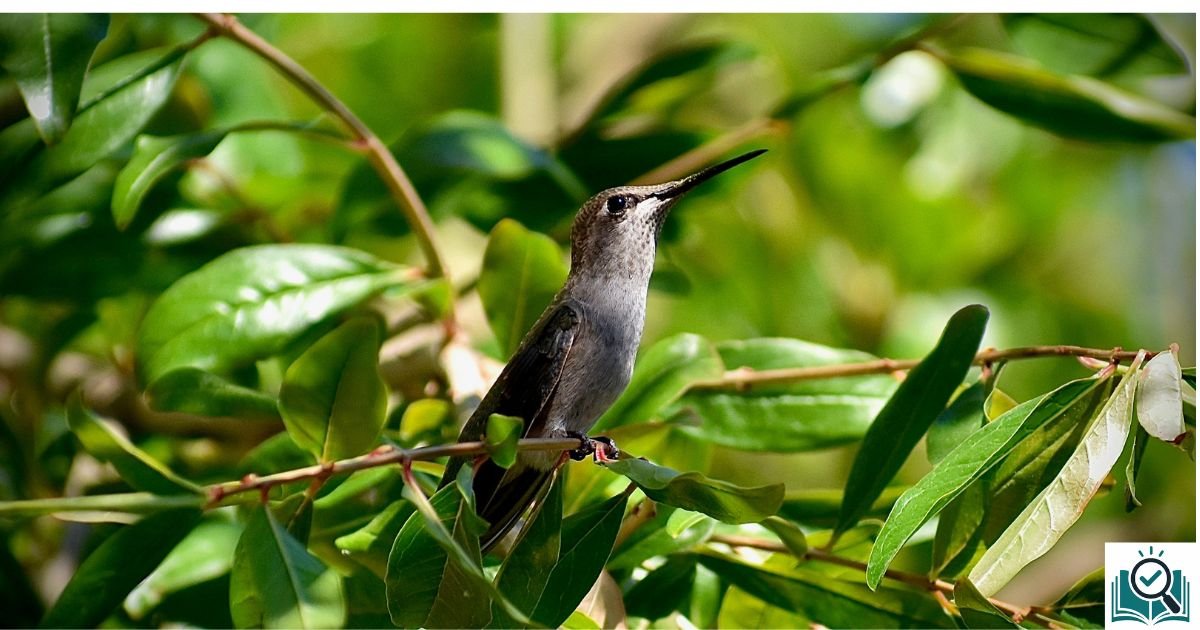
The Influence of Safety on Bird Activity
Birds visit those areas where they feel secure and safe. Shrubs, trees and ground cover create roosting spots and hideaways from predators. If you have a cat, keep it indoors—outdoor cats kill billions of birds every year. Also, hang feeders in spots where birds have a clear flight path.
A calm, predator-free area (no loud noises, no lurking cats) makes birds confident. By maximizing predator protection, more birds will explore and stay in your yard.
Urban Gardens vs. Rural Gardens: What Birds Prefer
City and country yards will host different mixes of birds, but the basics are the same. In urban or suburban areas you’ll see common garden birds like sparrows, finches and robins. Rural or semi-rural gardens near woods may also attract warblers, woodpeckers and jays.
In any case, you should provide food, insects, water and shelter. Even a small urban yard can become busy if it offers these. Consistent year-round feeding and habitat lets birds know your garden is a reliable resource, regardless of location.
How to Create a Safe Habitat for Birds
A safe habitat is an important part of how to attract birds. Making your garden safe increases the chances of bird visits:
- Provide natural cover: Leaves, brush piles, dense shrubs and evergreens protect birds from predators. Avoid manicured lawns as the sole habitat.
- Reduce window collisions: Put feeders close (<3 ft) or far (>30 ft) from windows, and use decals or screens. Glass that reflects trees confuses birds.
- Keep feeders and baths clean: Change water daily to avoid disease and mosquitoes. Scrub feeders with bleach solution every couple of weeks.
- Keep cats indoors: Cats kill billions of birds. If there are cats nearby, place feeders out of their approach.
- Choose safe locations for nest boxes: Face nest boxes away from the direction of winds, 5–15 ft up. This protects eggs and chicks from weather and squirrels.
These measures ensure a safe and welcoming environment which leads the birds to trust you and your garden.
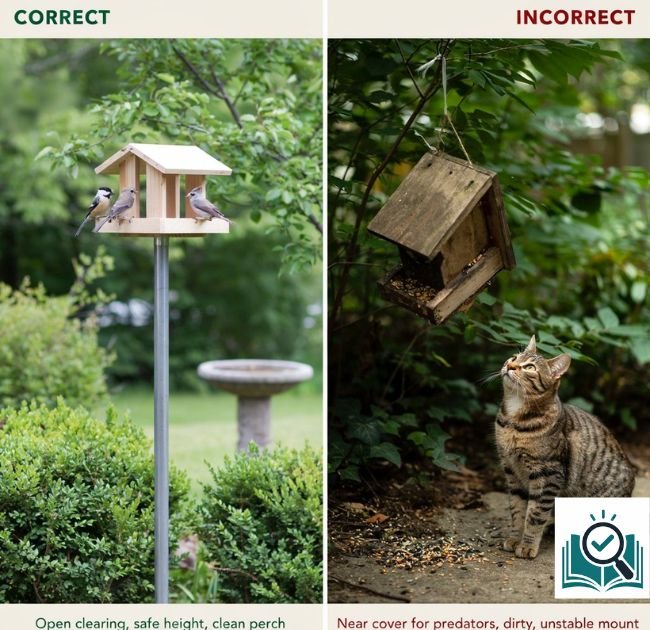
Bird-Friendly Garden Layout
Create layers in your garden:
- Tall trees (oaks, cherries) for nesting and canopy cover.
- Medium shrubs (serviceberry, hazelnut) for berries and shelter.
- Low plants (native flowers) for insects and seeds.
- Dead branches and leaves at ground level for insects. Cluster plant groups of 5+ alike for impact. Include a path or break in lawn to let birds forage. This layered approach provides the birds with food, cover, and resting spots year-round.
These small changes can improve your understanding of how to attract birds .
Common Mistakes That Keep Birds Away
Avoid these mistakes if you want birds to come to your garden:
Dirty or empty feeders.
Moldy seed and waste harbor disease. Dirty feeders spread infections. Always use clean bird feeders, soak them in bleach solution regularly, and keep them stocked.
Wrong food.
Bread, cheap mixes or salty snacks are unhealthy and attract pests, not birds. Birds need high-quality seed or suet. Always offer foods (sunflower, peanuts, insects, and fruit) with high-protein diets. Feeding the proper diet keeps birds coming.
Unsafe feeder placement.
Use predator protection: place feeders near shelters and away from ambush spots. Never put feeders where predators lurk. Avoid spots without an easy escape. Refer to safe distances from windows and avoid placing feeders next to hedges where cats hide. A good rule is: 10–15 feet from cover to allow quick takeoff. Repositioning feeders frequently can also confuse birds.
Forgetting to Clean Feeders and Bird Baths.
Neglect can kill birds. Dirty feeders foster salmonella and other germs. Clean feeders every 2 weeks (hummingbird feeders every 3–5 days). Likewise, scrub birdbaths weekly and refill. Clean water and feeders attract many more birds and prevent diseases.
Removing Natural Shelter Too Often.
Raking, pruning or removing brush eliminates bird cover. Birds are skittish without a quick hiding spot. Let some shrubs leaf out dense, and leave a brush pile or dead branch in place. These shelters make birds feel safe while visiting your feeders.
Using pesticides.
As the NWF notes, synthetic pesticides harm wildlife. Spraying insecticides decimates caterpillars, beetles and worms. If there are no insects then it means there is no food for insect-eating birds or nestlings. Instead of spraying, allow beneficial insects to thrive. A truly healthy garden ecosystem avoids chemicals; it uses natural pest control, attracting more wildlife instead.
Source: National Wildlife Federation, “Organic Gardening Practices.”
Expecting immediate results.
Be patient. Birds need time to find new feeders. Moving or removing feeders frequently also confuses them. Stick to your setup, and birds will discover it in days or weeks. In most cases, patience and persistence pay off – eventually birds will find your garden.
Fixing these mistakes makes a huge difference. Clean feeders, right foods, safe spots and steady feeding will ensure your efforts actually attract birds
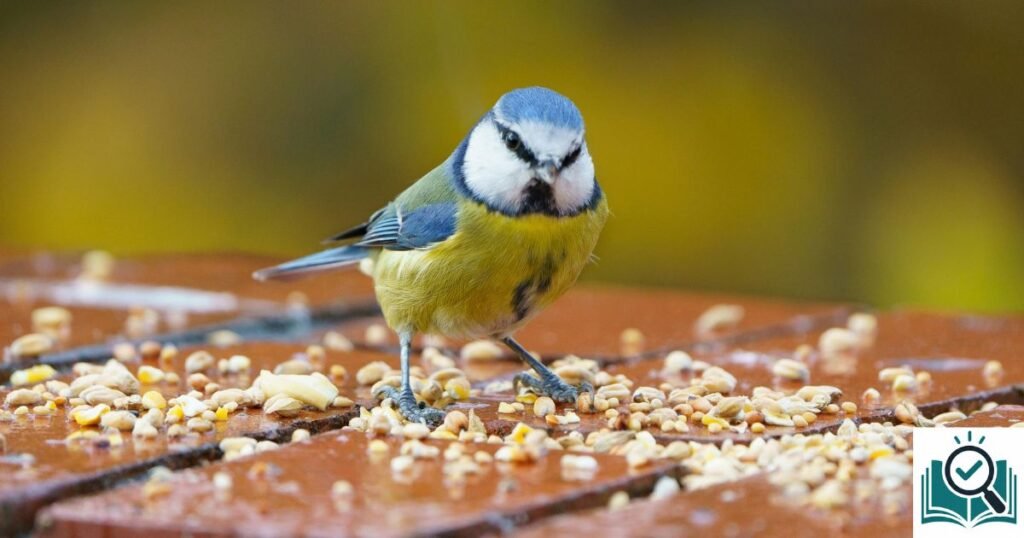
How to Attract Birds in Every Season
Knowing how to attract birds the whole year means adapting according to the bird’s seasonal needs. Here’s how to keep them coming year-round:
In spring (nesting season), offer protein-rich foods. Birds are raising chicks, so high-protein treats (mealworms, safflower seeds, or peanut butter) help parents feed babies. Keep feeders full of sunflower seed and put out fresh nesting materials (dry grass, pet fur). Early-blooming trees (willow, serviceberry) and flowers attract caterpillars and nectar that new parents need.
In summer season, shade and water are essential. Make sure that the birdbaths are cool and clean. Feed seeds, and add fruit or nectar for hummingbirds and orioles. Plant flowering plants like bee balm or phlox for extra nectar sources. Even in heat, birds will visit a yard that offers water, food, safety and shelter.
In fall, focus on fat and food reserves. Many birds are migrating or fattening up. Switch to peanuts, corn, millet and suet to help birds stock up. Offer berries and seeds from late-season plants (asters, sumacs) as they mature. Keep leaf litter – insects in the leaves feed young fledglings and migrating birds.
In winter, keep the food coming. Continue offering high-energy suet, peanut pieces and black-oil sunflower. Provide heated fresh water for birds if temperatures drop below freezing. Winter feeders attract resident and migratory birds alike when natural food is scarce.
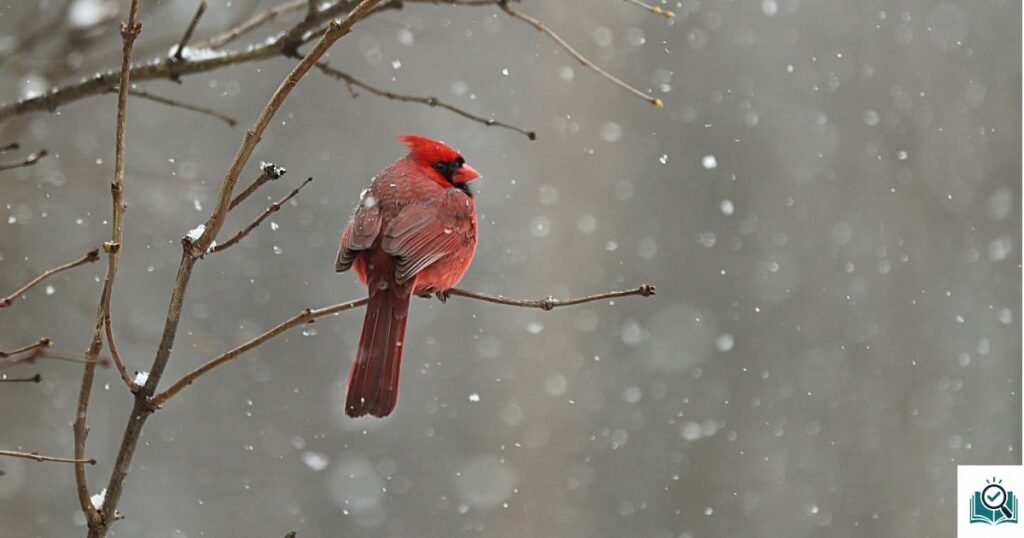
Seasonal bird feeding keeps your yard lively all year. A birdbath heater or dripper in winter, and a misting fountain in summer, can make your garden a go-to spot. By catering to birds’ changing needs each season, you create a dependable habitat.
How Long Does It Take Birds to Find a New Feeder or Garden?
Be patient: it can vary from hours to weeks. In urban or well-treed areas, clever birds like titmice or chickadees might find a feeder in a day or two. In a brand-new feeding area or a quiet patch of lawn, it could take one to two weeks for birds to discover it but food and water will draw attention faster.
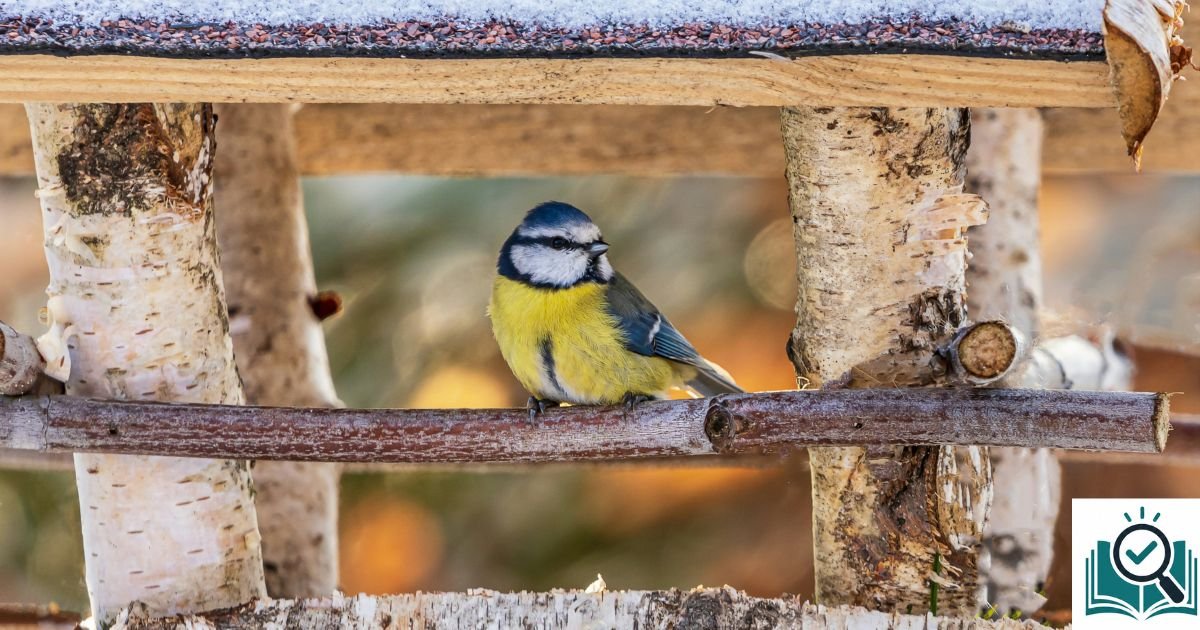
Factors such as how close the garden is to the previous habitat and the size of your feeder affect timing. To speed things up, place your feeder in a sheltered spot near trees and add a bath. Birds that frequent nearby yards will notice your setup sooner if there are perches and cover. After about a week of daily food and water, you’ll likely see visitors. Patience and persistence really pay off.
What Influences How Quickly Birds Arrive?
If your garden already has shrubs or is near woods, birds may arrive quickly. Food type matters too – high-demand foods (like sunflower and suet) catch attention faster than filler seed. Also, avoid changing things constantly; once birds learn a location, stability helps them keep coming.
Signs Birds Have Started Trusting Your Garden
Tiny signs give it away: seed scattered under the feeder, or morning birdsong near the feeding area. You might see a cautious finch peeking before others join. Over days, those few visitors grow. Keep notes like a birder: which species appear and when. This timeline shows how your seasonal bird feeding strategy is working.
How to Speed Up the Process Naturally
Offer multiple food stations (ground feeding or platform feeders plus hanging ones) to appeal to more species at once. Provide moving water (a dripper or bubbler) since the sound can lure birds from afar. Plant flowering annuals and berry bushes now, so natural food is already present. Maintain your routine – regular refillings and clean water make birds learn your yard is rewarding.
Do Birds Remember Feeding Locations?
Yes, many birds have great spatial memory. Once they find a place with food, they often return regularly. Species like chickadees, titmice and jays learn feeder locations quickly and can revisit the same place for years. So once birds learn about your yard, they are likely to keep coming back season after season.
Frequently Asked Questions About How to Attract Birds
What attracts birds the most?
Birds are highly attracted towards fresh water, natural food, and safe shelter. Adding bird feeders, native plants, and clean water and secure environment creates a bird-friendly habitat that encourages birds to visit regularly.
How to attract birds to come?
To attract birds, provide fresh water, quality bird seed, native plants, and safe nesting areas. By keeping feeders clean and offering food helps birds return every day.
How do you make a bird come to you?
Stay calm, avoid sudden movements, and let birds become familiar with your presence over time. Offering their favorite food from a safe distance builds trust naturally.
What smells do birds love?
Birds are attracted more towards food and habitat than smell. However, the natural aroma of flowers, fresh fruits, and native plants can help create an inviting environment for many bird species.
How to attract birds naturally?
Create a natural bird habitat by planting native trees, shrubs, and flowers, providing clean water, and avoiding pesticides. A healthy garden ecosystem with insects, berries, and seeds attracts birds.
How to attract birds with sounds?
Soft bird songs, flowing water, and natural garden sounds can attract curious birds. Using recorded bird calls sparingly and maintaining a peaceful environment encourages birds to investigate your yard.
How to attract birds to your hand?
Patience is the key to attracting birds to your hand. Offer birdseed while staying still and calm, allowing birds to gradually build confidence and approach when trust is built.
How to attract birds to feeder on window?
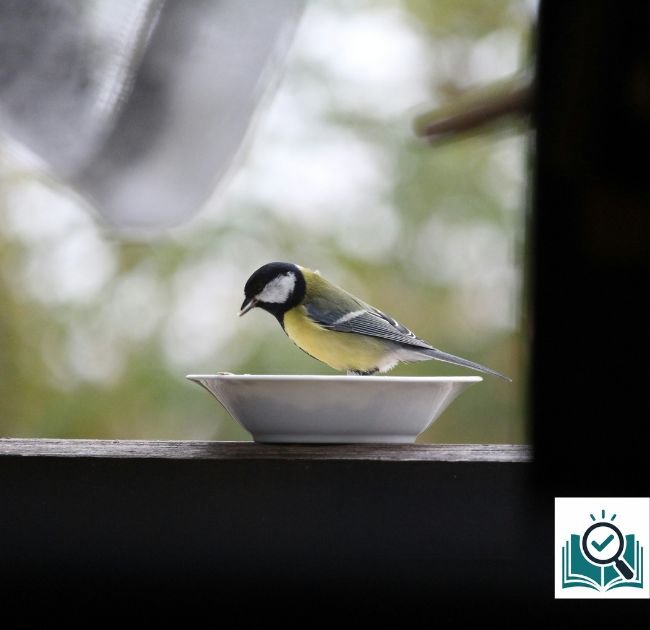
Install the window feeder in a quiet location, keep it filled with fresh, high-quality seed, and clean it regularly. Shrubs or small trees which are planted nearby provide birds with a safe resting place before visiting the feeder.
Conclusion
Keep feeding and water stations going every day, no matter the season, to attract birds to your home, garden, yards, window or feeder. Always provide fresh water and food year-round. Plant a variety of native trees, shrubs and flowering plants – layers of habitat for feeding, nesting and hiding. For example, cluster feeders near berry-rich shrubs.
So, that was all about “How to Attract Birds” .By following these tips, you create more than a bird feeder spot – you boost your home’s overall biodiversity. Native plantings and no-chemicals support butterflies, bees, frogs and many other creatures too. As your garden fills with insects and pollinators, it becomes a vibrant ecosystem. Contact us if you have more queries.

Zoha is a dedicated content writer who enjoys researching useful topics and turning detailed information into clear, practical and easy-to-understand articles. With a focus on helpful and reader-friendly content, Zoha creates well researched guides designed to answer everyday questions and help readers make decisions.
informative . keep it up
Thankyou. Glad you liked it.
detailed information. good
Thankyou! Glad you found it helpful
Spot on with this write-up, I actually think this website needs much more attention. I’ll probably
be returning to read more, thanks for the advice!
Thank you so much for your kinds words and valuable feedback! I truly appreciate your support and glad you found the write-up helpful. Looking forward to having you visit again.